
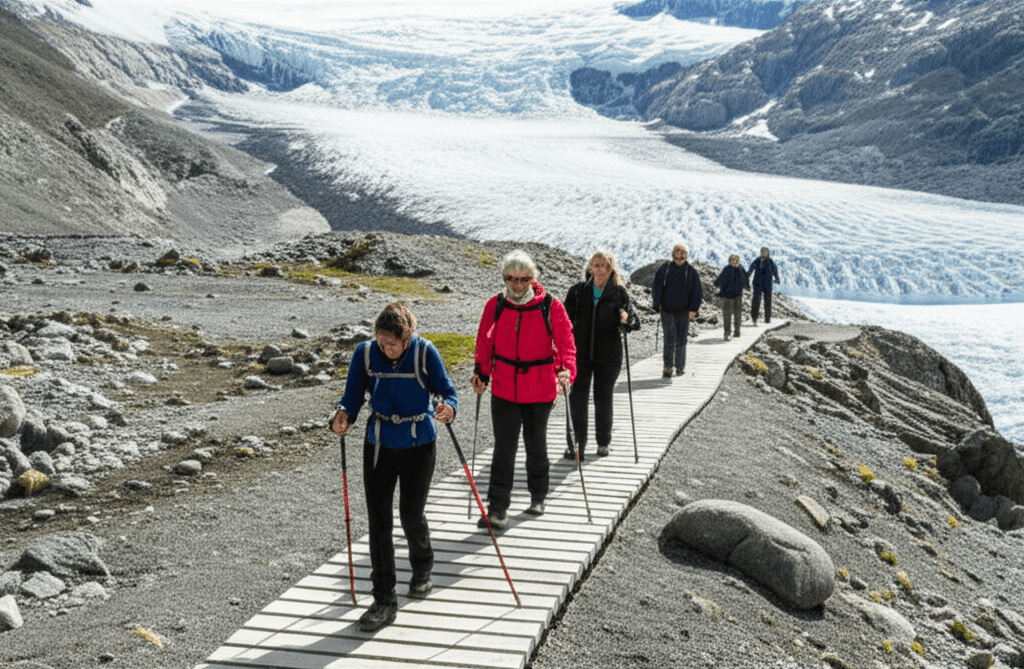
Glacier Country offers stunning views and trails perfect for older hikers who enjoy a gentle challenge and fresh, pure air. With a little planning and choosing the right trails, seniors can enjoy the best spots while staying comfortable and safe. Practical tips and trail suggestions focus on fun and easy experiences, not tough, tiring hikes. Dive in to uncover little-known tricks that make hiking here a real pleasure without draining your energy. This guide is ideal for those wanting to enjoy nature’s beauty without the struggle. Keep going to find out how to make your next hike unforgettable.
The tone here is conversational and practical. You will find concrete examples of friendly routes, gear suggestions that reduce fatigue, and planning tips that limit weather and terrain surprises. The aim is to help families, caregivers, and older adults themselves build outings that honor independence while minimizing risk.
Why glacier hikes make great outings for older adults
Glacial landscapes offer varied scenery including alpine meadows, clear lakes, and old growth forests. For many older hikers the sensory rewards are as important as the physical effort. Trails with moderate grades and steady footing enable long pauses for wildlife viewing or photography. These moments add meaning without adding strain.
There is also a mental benefit. Time outside in natural settings is linked to reduced stress and improved mood in research on aging populations. Choosing trails that balance accessibility with scenic payoff creates a high value day for seniors who want to feel capable and included in outdoor life.
Choosing the right trail for older hikers
When picking a trail keep two priorities in mind. First look for routes with limited elevation gain. Second favor packed surfaces and clear signage. Shorter loops and out and back options are often better than long through hikes. Here are practical criteria to use while choosing a trail.
- Length Choose a trail under five miles if mobility or stamina is a concern.
- Elevation gain Aim for under 800 feet of total climb for a comfortable pace.
- Surface Prefer well maintained boardwalks or packed dirt over rocky or rooty stretches.
- Turnaround points Pick routes with obvious rest or scenic points so you can stop early and still feel satisfied.
Trail length and difficulty
Older adults vary widely in fitness. A flat four mile route may be ideal for one person and too much for another. Start with shorter outings and build time on feet gradually. Allow plenty of breaks and plan to move at a conversational pace. That pace keeps respiration steady and reduces fall risk.
Surface and elevation features
Pay attention to trail reports that mention roots, loose rock, or steep switchbacks. Trails that follow lake shores or valley floors usually have gentler grades. If a route includes a short steep section, evaluate whether there is a safe bypass or a comfortable place to rest at the top.
Gear checklist that reduces fatigue and increases comfort
Good equipment can make a marginal trail feel easy. Focus on items that improve stability, reduce joint stress, and protect from elements. Here is a compact checklist and reasons why each item matters.
- Supportive footwear Stiff soled hiking shoes with tread protect ankles and spread weight. A custom insole can relieve pressure points.
- Lightweight trekking poles Poles cut down knee load on descents and add confidence on uneven surfaces.
- Layered clothing Temperatures near glaciers change quickly. Thin insulating layers plus a windproof shell keep comfort without excess bulk.
- Sun protection Wide brim hats, sunglasses, and SPF rated sunscreen are essential at high elevation where UV is stronger.
- Small daypack A pack that sits high on the hips reduces shoulder strain and stores hydration, snacks, and basic first aid.
Footwear and poles
Choose shoes with a firm midsole and grippy outsole. Shoes that are too soft allow the foot to tire. Poles with comfortable hand grips and wrist straps shift some load from legs to upper body providing better balance. Practice on short walks using poles before a longer hike.
Layers and sun protection
Bring a thin insulating layer and a small windbreaker. Even in summer wind near glacial ice can feel sharp. Sunscreen applied every two hours and sunglasses that block UV protect skin and eyes on reflective snow surfaces.
Safety practices specific to glacier terrain
Glacier areas bring specific hazards including sudden weather shifts and surfaces that may hide slick spots. Planning and conservative choices reduce hazard exposure. Here are safety practices that older hikers and their companions should adopt.
- Check weather and trail reports Avoid routes with recent reports of ice patches or flooding.
- Group size and pacing Hike with at least one partner and set a comfortable time budget for each leg of the route.
- Stay on marked paths Trails are routed to avoid unstable ground and fragile ecosystems.
- Know when to turn back Turning around early keeps confidence for future trips and prevents dangerous fatigue late in the day.
Practice conservative decision making. For example if cloud cover reduces visibility or wind picks up at higher elevations choose a lower trail with similar scenery.
Accessibility options and alternatives to steep trails
Not every outdoor goal must be a long hike. There are many options that provide access to glacier views and mountain atmosphere with low effort. Driver accessible overlooks, short boardwalk loops, and lakeside picnic areas can be full day experiences that require little walking.
- Boardwalks Many parks maintain short boardwalks that lead to viewpoints and habitat areas without rough footing.
- Shuttle accessible trails Using park shuttles reduces time on feet and opens up trailheads closer to scenic spots.
- Guided low impact tours Local outfitters sometimes run short interpretive walks designed for older visitors.
When mobility is limited consider renting a compact mobility aid designed for trails. Test the device on similar ground before the main outing to confirm comfort and range.
Planning logistics and seasonal timing for best conditions
Timing is everything near glaciers. High elevation snow may linger into summer and trail access changes fast between late spring and early fall. Here are planning pointers that reduce surprises and maximize pleasant conditions.
- Prime months July and August often offer the most stable trail conditions at mid elevation. Early season trails may still have snow and late season storms can arrive in September.
- Start early Morning starts avoid afternoon wind and storms and give more time for a relaxed return.
- Parking and transit Arrive early at popular trailheads to avoid long walks from lots or shuttle stops.
Always carry a simple map and a charged phone. Note that cell service may be limited so set check in times with a friend or family member.
Local resources and programs that support senior hikers
Many visitor centers, local non profits, and park rangers can point you toward trails that match mobility and stamina levels. They can also provide current conditions and recommend short loops with high scenic value. For a compiled list of trails aimed at older visitors see more
Some communities offer low intensity guided walks or walking groups specifically for older adults. These groups often move at a comfortable pace and include bench stops and social breaks. They are a great way to test comfort on trails and meet people with similar outdoor interests.
Sample itineraries and real world examples
Here are two sample itineraries that show how a day can be structured around comfort and scenery.
- Short scenic day Start with a calm morning at a lakeside boardwalk that offers benches and minimal grade. Mid day picnic near the shore. Afternoon driven overlook and a short stroll to a viewpoint. Total walking under two miles.
- Moderate nature day Start early with a three mile out and back that gains less than 600 feet. Take frequent stops for views. Lunch at a sheltered picnic area. Finish with a short visitor center visit for interpretive displays and easy indoor seating.
These examples show how a single day can blend movement and rest to create a satisfying outdoor outing without overreaching.
Hiking near glaciers can be an uplifting experience for older adults when planning focuses on comfort, safety, and meaningful scenery. Choose trails with manageable length and limited elevation gain. Prioritize footwear that supports the foot and poles that reduce joint stress. Check recent trail conditions and weather, and consider alternatives like boardwalks or shuttle assisted access if mobility is a concern. Talk with local visitor centers and walking groups to learn which routes are currently best suited to older hikers. With modest preparation and conservative choices a glacier outing can be a memorable way to keep active outdoors.
Ready to plan a day that respects comfort while offering spectacular scenery? Start by reviewing local trail lists and park updates. Pack the gear outlined here and set a relaxed timeline that allows for frequent rest and photography breaks. Invite a companion for both social value and safety. If you want a focused trail list geared toward older visitors the linked resource will be helpful. Take a careful step toward the trailhead and enjoy the view while staying steady on the path.