
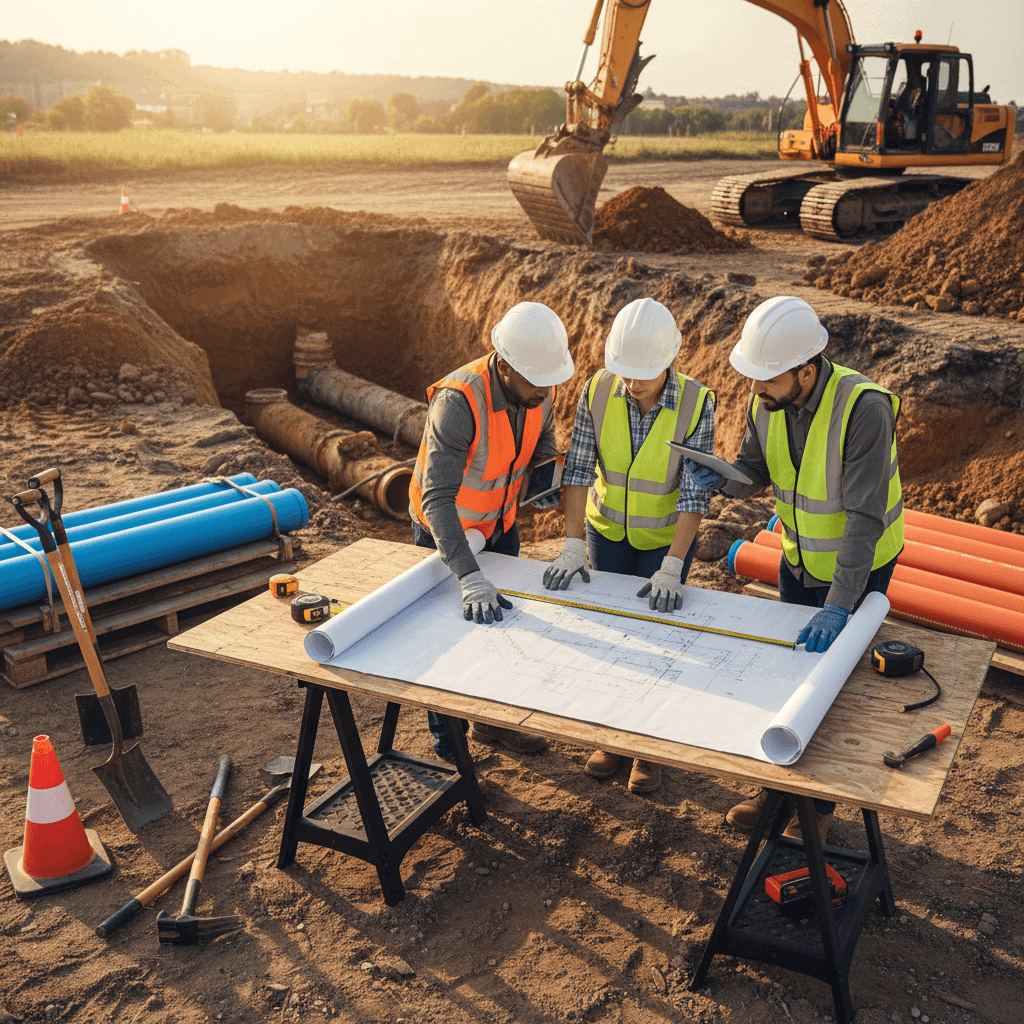
Planning for sewer line replacement is a task most homeowners hope to postpone. When a line fails the consequences can be messy costly and disruptive. Taking time to plan ahead turns an emergency into a manageable project with clear steps and predictable outcomes.
This article explains practical signs to watch for options for replacement common costs and how to choose a contractor. You will find tips that real homeowners use to reduce downtime protect landscaping and control budget surprises.
Why planning for sewer line replacement matters
Most sewer lines are out of sight and out of mind. When the system fails you face house damage higher repair bills and potential health hazards. Early planning lets you compare methods get multiple estimates and set expectations for time and cost.
Planned work also helps preserve driveways lawns and hardscapes. For example homeowners who schedule work in spring or fall avoid weather delays. They can also arrange temporary plumbing solutions and protect tree roots before heavy equipment arrives.
Common signs your sewer line needs replacement
Recognizing early indicators saves money. Look for repeated drain backups slow drains in multiple fixtures and foul sewer odors in the yard. Other warning signs include wet or soggy patches on the lawn and cracks in foundation walls or floors.
Here are frequent red flags
- Greener grass or pooling water above the sewer route
- Multiple drains clogging at once suggesting a main line issue
- Gurgling noises from toilets or drains after flushing
- Age of pipe material such as cast iron or clay that can fail after many decades
Inspection tools and how they inform planning
Modern inspection methods reduce guesswork. A camera inspection gives a clear view of pipe condition and location of breaks root intrusions or corrosion. Ground penetrating radar and sonar tools can map pipe depth and route when surface features must be preserved.
Having a camera report before requesting estimates helps contractors provide accurate bids and prevents surprises once work begins. Include photos and a written inspection report in your planning documents so you can compare proposals on equal terms.
Replacement methods and what to expect
There are two primary approaches to replacing a sewer line. Each method has trade offs in cost time and impact on landscaping.
Traditional excavation
This method involves digging a trench to remove the old pipe and install a new one. It is often the best option when the pipe has multiple collapses or when the replacement material requires a straight run. Excavation is predictable but more disruptive to lawn driveways and patios.
Typical timeline for a straightforward excavation job ranges from one to several days depending on length and site access. Expect additional time for restoring sod or repaving if hard surfaces are affected.
Trenchless techniques
Trenchless options include pipe lining and pipe bursting. Lining installs a new pipe inside the old one and is an excellent solution for cracks or corrosion when the existing pipe remains largely intact. Pipe bursting replaces the pipe by fracturing the old line while pulling in a new one simultaneously.
These methods reduce surface disruption and often shorten repair time. Trenchless work may carry a higher upfront cost but savings appear in reduced landscaping and restoration expenses.
Estimating costs and budgeting for the project
Costs vary widely based on pipe length material access and soil conditions. Small jobs under favorable conditions can be within a few thousand dollars larger replacements that involve driveway cutting or deep trenching can run into the tens of thousands.
Budget with three top line items in mind
- Labor and materials for the new pipe and fittings
- Excavation or trenchless equipment rental and setup
- Restoration of landscaping hardscapes and any permits required
Ask contractors for a line item estimate rather than a single lump sum. That makes it easier to see where costs can be adjusted. For example choosing PVC over copper or scheduling work when a specific crew is available can lower the total cost.
Preparing your property and family for the work
Good preparation reduces stress. Start by marking sprinkler lines electrical conduits and any underground utilities. Move vehicles and outdoor furniture away from the work area and trim branches that may impede equipment.
Pre work checklist
- Clear a path from street to work zone for machinery and trucks
- Set aside a storage area for removed soil and materials
- Arrange alternative bathroom access if the main sewer will be off line for a period
- Inform neighbors about temporary traffic or noise impacts
Consider temporary floor protection if the work crew will use side doors to move equipment through the house. A written plan that lists daily start and stop times helps the crew and the household coordinate expectations.
How to choose the right contractor and what to ask
Selecting a contractor is one of the most important planning steps. Look for firms with local references clear licensing and written guarantees for workmanship and materials. An experienced contractor will provide a camera inspection report a written estimate and a timeline.
When reviewing proposals ask these questions
- What is included in the estimate and what items are billed as extras
- Can you provide references from similar jobs in the area
- What warranties cover pipe materials labor and restoration
- Are local permits required who secures them and who pays permit fees
For homeowners wanting to compare services quickly use a contractor page that outlines methods guarantees and local experience. For example you can review local sewer line replacement offerings and get a sense of standard practices by following this resource sewer line replacement services which lists techniques and common questions for property owners.
Managing timing permits and neighborhood rules
Permits commonly affect schedule. Local codes may require inspections before and after work. Call your municipal office early to learn permit lead times and any noise or work hour restrictions. Failing to plan for permits can delay final connections and add to daily equipment rental charges.
If your property is in a neighborhood with an association check rules on driveway repairs fencing and landscaping changes. Document all approvals in writing to avoid conflicts after work is complete.
What to expect during the project day by day
Knowing the sequence of work keeps everyone calm on site. Typical phases include site setup locating utilities excavation or trenchless setup pipe installation backfill and surface restoration. Crews will often run a final camera check and perform a pressure test prior to backfilling to confirm the new line functions correctly.
Request a daily update from the lead supervisor so you know when sewage access will be interrupted and when equipment will arrive and depart. A schedule helps neighbors plan for temporary inconveniences and reduces miscommunication.
After replacement maintenance and warranty considerations
Once work is complete keep the inspection report photos and warranties in a dedicated file. Some materials have longer expected lifespans and warranty terms than others. For instance modern PVC and HDPE materials resist corrosion differently than older cast iron or clay pipes.
Post replacement tips
- Schedule a camera inspection three to six months after work to confirm settling has not affected joints
- Avoid flushing non biodegradable items and grease to prolong pipe life
- Document any surface settlement and report it to the contractor promptly
Warranties often cover material and labor for a defined period. Clarify who fixes issues caused by settlement root re intrusion or improper use and what costs fall to the homeowner.
Conclusion and next steps
Planning for sewer line replacement turns a potentially chaotic event into a predictable project. Start with a camera inspection then gather multiple written estimates compare methods and confirm permit needs. Prepare the site coordinate with neighbors and set realistic timelines for excavation or trenchless work. Keep all reports photos and warranties together for future reference.
If you follow these steps you minimize surprises and protect landscaping hardscapes and household routines. Take action by scheduling an inspection request two or three contractor estimates and asking direct questions about warranties and restoration. With planning you control the outcome of a sewer line replacement project and limit cost surprises. Reach out to local professionals for a site assessment so you can move forward with a clear plan and timetable.